NICKEL-PLATING
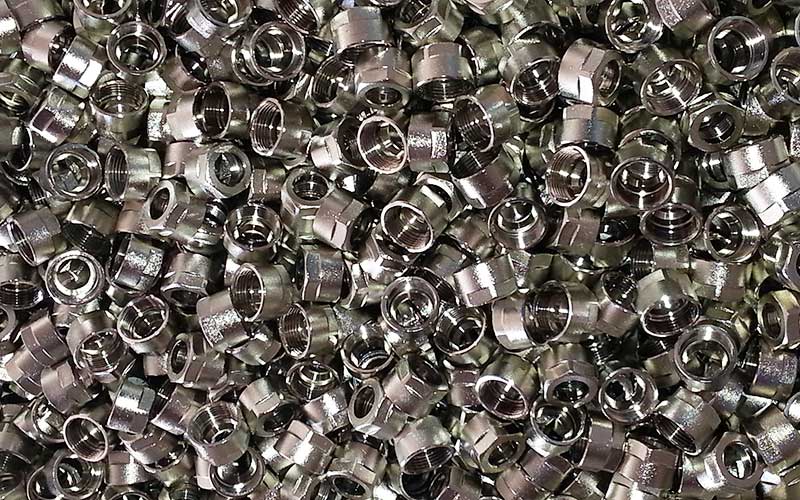
Nickel-plating is one of the most widely used methods for the protection of metal products against corrosion, since the nickel layer deposited by galvanisation is able to resist the corrosive effects in neutral, alkaline and light-acidic atmospheres as well.
The product to be protected is usually made of steel, zinc cast, copper or copper alloy.
Depending on the circumstances of application, the nickel coating can be of various appearances and properties: dull, glossy, silky, black, hard, dispersion-type etc.
Nickel-coating is used:
• For decoration purposes: usually as an independent or intermediate layer. One of the most important properties of such coating is its appearance.
• For protection and decoration purposes: nickel coating can be applied either by itself or as part of copper-nickel-chromium or nickel-chromium coating system. In addition to appearance, corrosion resistance of the settled layer is also a very important property of these coatings.
• For coatings applied for technical purposes, hardness, light reflecting capacity and corrosion-resistance are the most important characteristics, depending on the given purpose.
During electroplating, nickel is usually deposited from light-acid electrolytes.
The following types of nickel-plating electrolytes have been developed in the technology of galvanisation:
• Sulphate-type electrolytes: their composition is similar to that of the traditional electrolytes. Advantages: easy to use, good solubility of nickel-sulphate and good mechanical properties of the coating.
• Chloride-type electrolytes: Due to their good conductivity and spraying properties, they are used in the electroplating of mass products. Disadvantages of high chloride-concentration: the coating is more rigid, while the electrolyte is more aggressive and more expensive.
• Sulphamate-type electrolytes: they are used mainly in the field of electrotyping. The process ensures high deposition rate. Nickel coat of any thickness can be produced with very low internal stresses.
• Boratofluoric acid-type electrolytes: They can be used with high electric current density, a high deposition rate can be achieved, but it has the disadvantage that the electrolyte is very aggressive and the necessary chemicals are very expensive.
Special purpose electrolytes: they are used for optical parts, fittings, as well as car and weapon components. The relatively thin coating has low corrosion resistance, and this is why it is usually used on glossy or dull nickel coatings. Its resistivity can be increased by after-lacquering or oil-treatment.
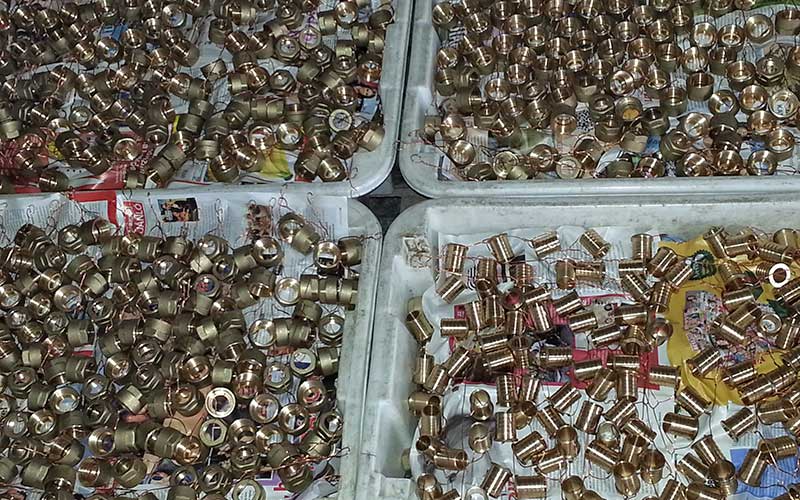
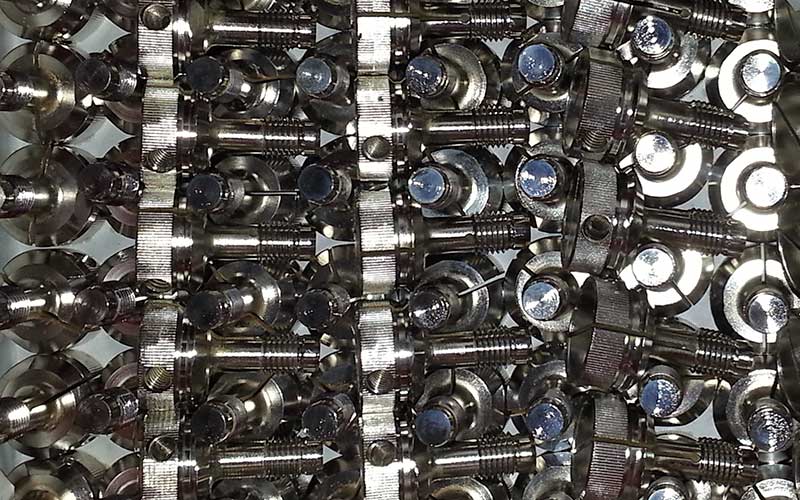
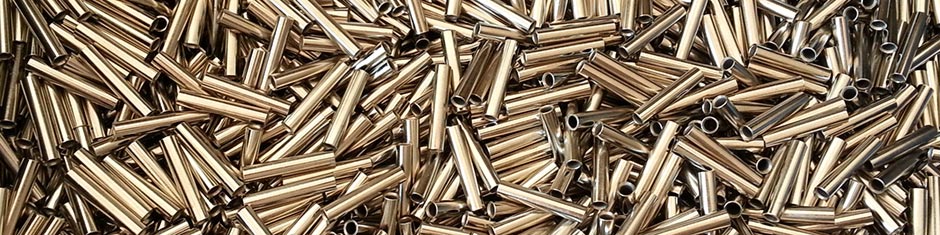
Nickel-plated products